Bar NYC Favorites for Cocktails, Music, and Late Nights
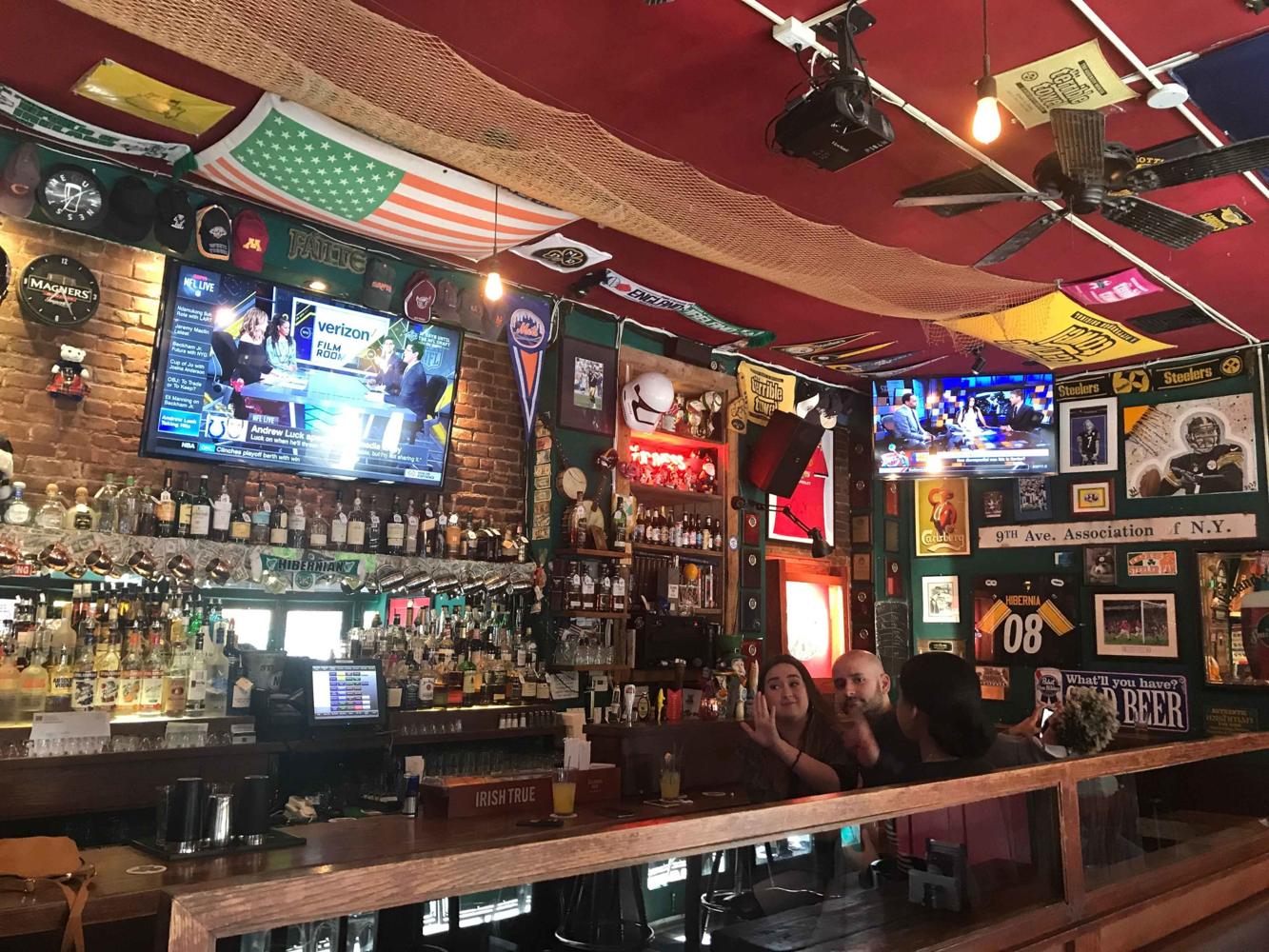
New York does not have one bar culture. It has dozens layered on top of each other, often on the same block. A polished hotel lounge can sit around the corner from a narrow dive with a jukebox that has not changed much since 2007. A basement mezcal den can share a neighborhood with a piano bar, a natural wine spot, and a cavernous beer hall full of birthday groups. That variety is what makes a night out here feel specific rather than generic. When people ask for a favorite Bar NYC recommendation, what they usually mean is not simply “Where should I drink?” They mean, “Where should I go for the version of New York I want tonight?”
That distinction matters. The best cocktail bar for a date is rarely the best room for dancing after midnight. The right place for live jazz can be all wrong if your group wants to talk. Some bars are built for one excellent drink and a quick exit. Others reward a long stay, a second round, and the patience to let the room reveal itself. Anyone who spends enough time going out in the city learns that choosing well saves money, time, and mood. It is the difference between a night that feels cinematic and one that ends with everyone shouting over a speaker stack while waiting twenty minutes for a watery margarita.
The good news is that New York still rewards curiosity. Even with rising rents, reservation systems, and social media turning hidden rooms into heavily photographed destinations, there are still places that earn loyalty the old way, by getting the basics right. Strong drinks. Competent service. A room with identity. Music chosen by someone with taste rather than by an algorithm trying to flatten the night into background noise.
What separates a memorable NYC bar from a merely popular one
A lot of bars in New York are busy. Far fewer are genuinely good. Crowds can signal quality, but they can also signal hype, convenience, or a successful lighting designer. The bars that hold up over repeat visits usually do three things well.
First, they know what kind of night they are offering. A serious cocktail room should move with confidence and precision. If the menu is full of ambitious drinks but the staff seems rushed, the ice is melting, and every order arrives uneven, the concept collapses fast. On the other hand, a neighborhood bar does not need obscure amari or hand-cut block ice to succeed. It needs a steady pour, fair pricing by local standards, and an atmosphere that lets people settle in.
Second, they understand sound. This is where many bars fail. Music can animate a room or suffocate it. Some of the best bars in New York treat volume as part of hospitality. Early evening calls for one level, late night another. If you have ever left a stylish room after one drink because you could not hear the person next to you, you know how quickly bad sound design can cancel every other strength.
Third, they respect pace. Great bartenders read timing almost as well as they read recipes. They know when to engage, when to leave a guest alone, when to push the next round, and when not to. That sort of judgment is hard to fake, and regulars notice it immediately.
For cocktails, look for restraint rather than spectacle
New York is full of bars that can make an impressive drink. Fewer can make one that is balanced enough to order twice. The city’s strongest cocktail programs tend to avoid overcomplication. They might use uncommon ingredients, but they do not build drinks that read better on a menu than they taste in the glass.
In Manhattan, especially downtown, you can still find polished cocktail bars where the team knows classics cold and treats house signatures with the same discipline. These rooms tend to work best early in the evening, before the crowd thickens and before everyone nearby has finished dinner. Arrive at 6:30 or 7:00 p.m. And you can often get the best version of the place: bartenders not yet slammed, seats still available, and enough quiet to appreciate what you are drinking.
Brooklyn’s cocktail culture often feels a touch looser, though no less skilled. There is less pressure to perform luxury and more room for neighborhood identity. In spots across Williamsburg, Greenpoint, Cobble Hill, and Fort Greene, you will find bars where the menu is sharp but the room still feels lived in. That can be ideal if you want serious drinks without the stiffness that sometimes comes with destination-worthy cocktail bars.
The strongest cocktail rooms usually share a few traits. Their martinis are cold and decisive, not timid. Their old fashioneds do not arrive sticky with sugar. Their citrus drinks taste fresh rather than aggressively acidic. And their bartenders can pivot. If you tell them you want something dry, herbal, and lower proof, they should not look trapped by the menu.
One practical note that saves people from disappointment: the first round tells you almost everything. If the balance is off, the dilution is wrong, or the drink is served warmer than it should be, do not assume the second order will somehow improve. New York is expensive enough that loyalty should be earned quickly.
Music changes the whole equation
A bar with music is not a single category. It can mean a jazz room where the performance is central, a vinyl-driven cocktail lounge where the soundtrack shapes the mood, a dive with a respected jukebox, or a late-night room that becomes dance-adjacent after 11:00 p.m. Too many people collapse these into one choice and end up in the wrong place.
Live jazz and intimate sets work best when you approach them as the evening’s main event. In those settings, sightlines matter, seat quality matters, and so does your willingness to focus. The classic New York mistake is bringing a large, chatty group into a room designed for listening. If what you want is connection and conversation, choose a bar where music enriches rather than dominates.
Then there are bars where music is curation. These are some of the city’s most satisfying places to spend time because the soundtrack creates momentum without turning the night into a club. A good selector can make a room feel warmer, smarter, and more relaxed. Soul, disco, post-punk, jazz, house, Afrobeat, old hip-hop, and left-field pop all have their place in New York bar culture. The key is fit. A deep red booth room with low light can handle slower, moodier sets. A brighter, busier all-night spot can carry more tempo.
The best music bars also understand transitions. Around 8:00 p.m., people are still arriving and talking. By 10:30 p.m., the room wants more energy. By midnight, the crowd often divides between those ready to head home and those looking for a second wind. Bars that navigate those shifts well become places people return to, not just places they visit once because someone posted them.
Late nights require strategy, not just stamina
Late-night New York is less spontaneous than it once was, but it is not dead. You simply need to know what kind of night you want after midnight. Some bars keep serving with real intent until the end. Others technically remain open but feel half-closed in spirit, with tired staff, reduced menus, and a room that has lost its center.
If your plan is to stay out late, start by avoiding the dead zone between dinner and destination. That often means choosing a first bar that can either sustain the whole night or place you within easy reach of your next stop. Neighborhood geography matters more than visitors expect. Crossing from the West Village to the Lower East Side at the wrong hour can eat up forty minutes and dissolve momentum. So can trying to move a group from Bushwick to Greenpoint once everyone has different opinions and low phone battery.
The late-night bars worth seeking out usually have one of two personalities. They are either loose and welcoming, with enough speed at the bar to keep the room buoyant, or they are highly controlled, with door staff, a clear vibe, and a crowd that knows why it came. The muddled middle can be frustrating. That is where you find bars trying to be exclusive without delivering much once you get in.
A useful rule of thumb is to judge a late-night place by what is happening at 12:30 a.m. If the bartenders are still attentive, the music still makes sense, and people seem engaged rather than merely delayed, you are in a healthy room. If everyone is staring at phones, the bar top is sticky, and the playlist feels random, it is time to cut your losses.
Neighborhoods shape the night as much as the bar itself
There is no universal Bar NYC experience because each neighborhood edits the night differently.
The East Village remains one of the easiest places to build an unforced evening. The density helps. You can begin with a thoughtful cocktail, drift toward sake or wine, then end somewhere louder or looser without long walks in between. That flexibility is one reason the area still works for mixed groups.
The Lower East Side can be more energetic and more uneven. At its best, it gives you small rooms with strong personality, excellent music, and enough foot traffic to keep the street alive. At its worst, it can feel oversaturated with bars chasing the same young weekend crowd. Choosing carefully matters here. A good LES bar feels intimate and specific. A forgettable one feels interchangeable by 1:00 a.m.
The West Village specializes in charm, but charm comes at a cost. Many rooms are beautiful, and many drinks are expensive. The upside is atmosphere. If you want polished date-night energy, classic facades, and bars that understand how to flatter an evening, the neighborhood still delivers. The downside is access. Popular spots fill early, and cramped interiors can turn from cozy to oppressive fast.
Williamsburg covers a broad emotional range. Some bars lean sleek and design-forward, others casual and neighborhood-oriented. What makes the area useful is variety within walking distance. You can have a very curated first stop and still end up finishing the night in a place that feels almost accidental, which is often the better memory.
Greenpoint tends to favor people who like bars with a clearer local identity. You can still find excellent cocktails and strong music, but there is often less performative scene management and more emphasis on comfort. That makes it one of the better areas for people who actually plan to sit, talk, and stay awhile.
Bushwick comes alive later and often rewards flexibility. If your group wants polished service and seated conversation all night, it may not be the right fit. If you want energy, genre-crossing music, and a chance that the night changes shape unexpectedly, it can be excellent.
Ordering well is part of having a better night
Even at a great bar, small choices affect the experience. People often over-focus on where to go and under-focus on how to use the place once they arrive. A few habits go a long way.
- Sit at the bar when the goal is drinks first. You get faster service, better interaction, and a clearer read on the room.
- Ask one informed question instead of delivering a vague preference. “Do you have something spirit-forward but not sweet?” works better than “Surprise me.”
- Avoid starting with the most labor-intensive drink during a rush unless the bar clearly specializes in that style.
- If you are with a group, close out thoughtfully. Splitting six rounds eight ways at 1:15 a.m. Tests everyone’s patience.
- Tip like someone who plans to come back, even if you are just visiting.
The first point is the most underrated. In New York, the bar top often gives you the truest version of a place. You can see how the team moves, how drinks are built, and whether regulars are treated with familiarity or favoritism. That last detail matters. Good bars make regulars feel welcome without making newcomers feel invisible.
The trade-offs nobody mentions enough
Every bar choice costs you something. Quiet usually costs you spontaneity because the best quieter rooms fill fast. Great cocktails often cost you pace because precision takes time. Live music can cost you conversation. Late-night flexibility can cost you comfort, especially if seating disappears and the room turns into an elbow-to-elbow stand.
This is where judgment matters more than rankings. One person’s favorite bar is another person’s overpriced headache. If you love immaculate cocktails and can tolerate waiting, a tiny reservation-heavy den may be perfect. If you value movement, people-watching, and a second location built into the neighborhood, that same bar may feel restrictive.
There is also the budget question. New York bar tabs rise quickly. A serious cocktail in Manhattan can run from the high teens into the mid-20s before tax and tip, and that is without snacks or a second round. Beer-and-shot places, neighborhood dives, and some outer-borough spots still offer relief, but even there, prices are not frozen in time. Planning your night with one expensive stop and one more relaxed stop is often smarter than trying to keep every venue at the same level of polish.
How locals often build the strongest nights
The best nights out in New York are rarely built around a single “must-visit” bar. They are built around sequence. Start somewhere that lets you settle in. Move to a place with more energy once the night has a pulse. End somewhere that matches your actual stamina rather than your idealized one.
For a date, that might mean an early cocktail in a room with strong hospitality, followed by a second stop where the lighting is lower and the music deeper. For friends, it may mean beginning at a forgiving neighborhood bar, then transitioning to a louder room once everyone has arrived and the logistics are over. For visitors who want the full late-night effect, it often means resisting the temptation to peak too early. A packed, noisy bar at 8:30 p.m. Can feel exhausting by 10:00 p.m. If you have nowhere to go from there.
Some of the city’s most satisfying bars are not the ones people brag about online. They are the ones that absorb an evening gracefully. The cocktails are very good, not gimmicky. The music lands. The room holds a mix of people. Nobody seems desperate to document the experience because they are busy having it.
Service still makes or breaks the room
This sounds obvious, but in New York it is worth stating plainly. You can forgive a lot when service is sharp and sincere. You can forgive less than you think when it is indifferent.
Professional service in a busy city does not always look overtly warm. Sometimes it looks like efficiency, memory, and clean communication. A bartender who clocks your pace, notices you are deciding between two spirits, or quietly warns you that the kitchen is about to close is doing more for your night than a performative welcome ever could.
The bars that cultivate long-term followings usually have at least a few staff members who anchor the room. They know the regulars, remember preferences, and keep standards from sliding when the place is crowded. In an era when many venues chase novelty, that steadiness stands out.
Poor service has patterns too. Watch for visible confusion behind the bar, drinks dying in the service well, and staff who seem more attached to their own scene than to the guest experience. Those are signs that the bar may be popular for reasons that have little to do with your actual night improving.
A few smart ways to avoid common mistakes
There is no perfect formula, but there are predictable errors that lead to bad bar nights in New York. Going out without checking hours is one. Assuming a famous spot can absorb a walk-in group of six at peak time is another. So is dressing for one venue while planning three totally different environments. Comfort matters more here than people admit, particularly if the night involves significant walking or standing.
This is also a city where timing can save you from your own worst instincts. Arriving even thirty minutes earlier than everyone else often means choosing seats instead of settling for whatever is left. On the other side, leaving a good bar ten minutes before the rush to the next place can preserve the night rather than derail it in a line.
For visitors, there is one more piece of advice worth keeping. Do not over-choreograph every stop. New York rewards a little looseness. Pick one anchor bar you genuinely care about, then let the rest of the evening respond to mood, weather, crowd, and energy. Some of the best Bar NYC memories come from places you did not plan to enter at all, just a warm light, a strong playlist, and the sense that the room has room for one more.
The bars people remember
Ask people what they remember a month later, and it is almost never a list of ingredients. It is the martini that arrived perfectly cold after a hard week. The small jazz set that made the room go silent for four minutes. The bartender who steered them away from a bad choice. The dive where everyone ended up after midnight and somehow stayed until close. The booth by the window during rain. The crowded corner where the song changed and the whole room subtly lifted.
That is what New York bars can still do at Bar NYC their best. They give shape to the night. Not through hype or exclusivity alone, but through competence, atmosphere, and timing. Whether your version of a great evening means a disciplined cocktail, a room with musical intelligence, or a late-night spot with enough life left in it to carry you through, the city still offers plenty. You just have to choose the place that matches the night you actually want, not the one someone else told you should want.
Hibernia Bar
401 W 50th St
New York, NY 10019
(212) 969-9703
FAQ About Bar NYC
What is there to do in Hell's Kitchen, NYC?
Explore the restaurants and bars along Ninth Avenue, catch a Broadway show nearby, or visit the Intrepid Museum on the Hudson River. Hibernia Bar is at West 50th Street and Ninth Avenue, a convenient stop before or after a show.
What are some bars in New York City that serve good food?
Hibernia Bar in Hell's Kitchen serves wings, burgers, fish and chips, and shepherd's pie. Its kitchen lists a 2 a.m. closing time, which makes it an option for dinner after a show or a game.
How far is Hell's Kitchen from Times Square?
Hell's Kitchen is just west of Times Square. From Broadway and West 45th Street, Hibernia Bar is roughly 0.6 miles away, or about a 12-minute walk depending on crowds.