Bar NYC Spots Known for Atmosphere and Ambiance
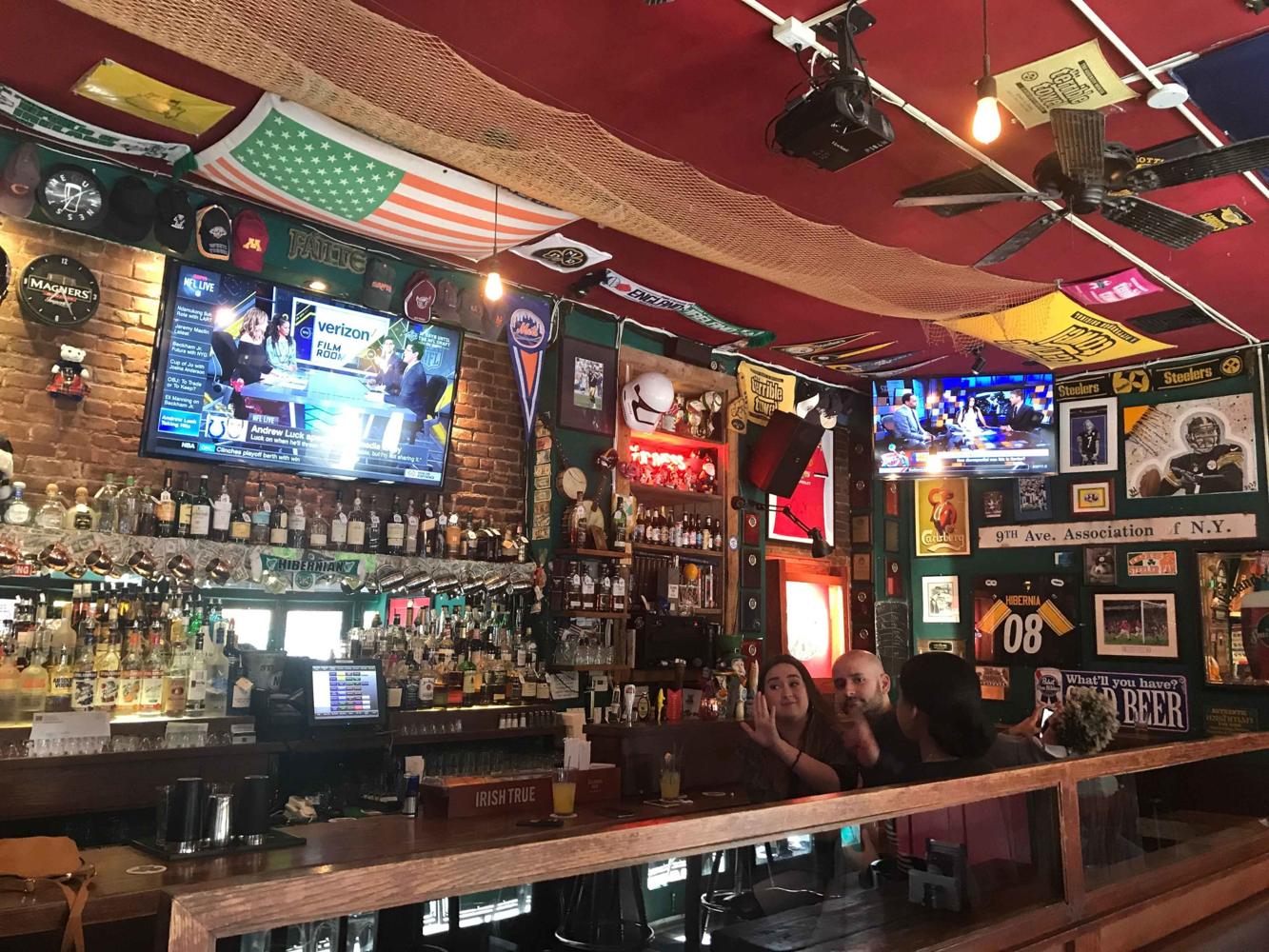
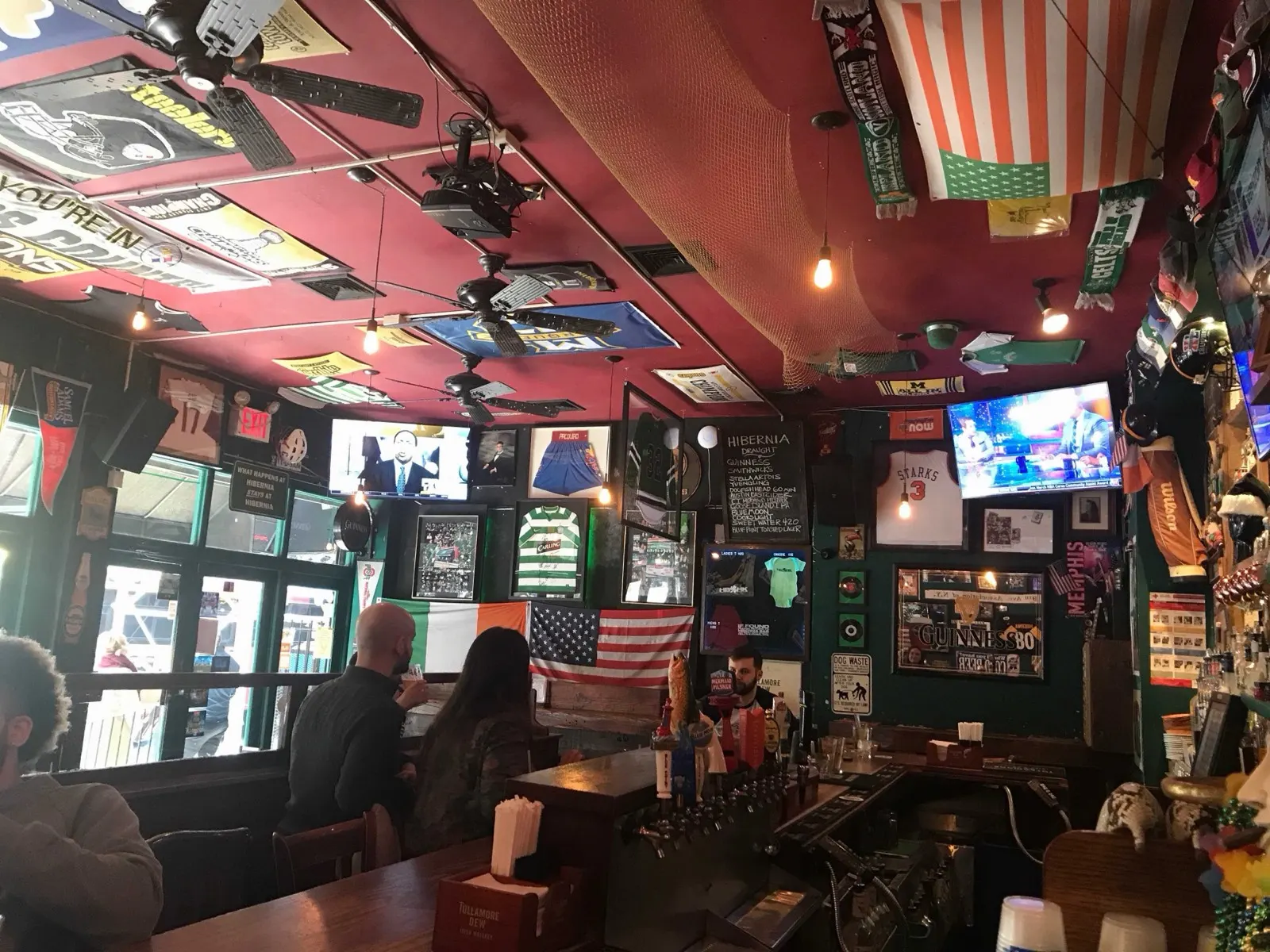
New York has never had a shortage of places to drink. What it does have, and what regulars learn to value quickly, is a much smaller set of bars that understand mood. A good cocktail is easy to praise. A good room is harder to build. It depends on light, sound, spacing, timing, staff tempo, and the subtle confidence to let people settle in without pushing them along. When people search for a memorable Bar NYC experience, they are often not looking for the cheapest martini or the loudest Saturday crowd. They are looking for a place that feels complete the moment they walk in.
Atmosphere is one of the few qualities a bar cannot fake for long. You can decorate a room with velvet banquettes, dim bulbs, and expensive bottles, but if the music is wrong, if the bar team works without warmth, or if every table sits shoulder to shoulder in a way that turns private conversation into public broadcast, the spell breaks. The strongest New York bars understand that ambiance is not a layer applied after the fact. It is the product itself.
That matters in a city where going out is rarely just about drinking. It may be a date you want to get right without making it feel staged. It may be a catch-up with a friend who lives in Brooklyn while you are in Manhattan and neither of you wants to waste the night in a room that feels interchangeable. It may be a solo hour at the bar after work, where the right seat, the right bartender, and the right soundtrack can make the city seem generous again. The best atmospheric bars in New York are not all trying to do the same thing. Some lean intimate and candlelit. Some feel theatrical. Some are polished and expensive, but worth it because they deliver a complete evening rather than a transaction.
What atmosphere means in a New York bar
In practical terms, atmosphere in New York comes down to a few recurring details. First is scale. Bars with personality often know exactly how many people they want in the room. That sounds obvious, but it is remarkable how many places ruin themselves by chasing one more reservation block or squeezing in two more tables. The good ones leave enough negative space for the room to breathe.
Second is sound. The most seductive bar rooms are rarely silent, but they are curated. You might hear low jazz, soul, disco edits, old rock, or a quietly assertive playlist that keeps energy moving without flattening conversation. Volume is part of hospitality. If guests have to lean in all night just to order, the atmosphere is working against them.
Third is service rhythm. Some of the bars New Yorkers return to most often have staff who seem unhurried even during a rush. They notice a finished drink without hovering. They can answer questions without reciting a script. They understand whether the guest wants guidance or simply wants to be left alone with a well-made Negroni. That kind of reading of the room is difficult, and when done well it becomes part of the ambiance.
Finally, there is context. A great bar on a cold Bar NYC West Village block feels different from a great bar above a hotel lobby in Midtown, and both feel different from a hidden cocktail room on the Lower East Side. The journey to the door shapes the experience. In New York, that transition from street to bar can be dramatic. You step out of subway heat, traffic, and noise into a room that changes your pace within thirty seconds. That shift is one reason bar culture matters so much here.
The candlelit New York bar, still the city's most reliable seduction
If there is one style that New York continues to do exceptionally well, it is the low-lit, intimate cocktail bar. These places often trade on romance, but that label can undersell them. The better versions are not trying to impress with overt glamour. They are creating privacy in a city that rarely offers it.
Think of the classic downtown room where mirrors deepen the space, booths create soft boundaries, and the bar back glows instead of shines. In those settings, people tend to speak more softly. Drinks arrive with less fanfare. Time stretches. It is not unusual to arrive planning to stay for one round and leave two hours later because the room makes movement feel unnecessary.
West Village and SoHo have long been strongholds for this style, though prices there often match the zip code. A first drink may run in the high teens to mid twenties, and that matters if you are budgeting. Still, in a bar built around atmosphere, the question is not only whether the drink is expensive. It is whether the full experience justifies the spend. If the answer is yes, the room earns repeat visits. If the answer is no, the place becomes a one-time backdrop for someone else’s photos.
One useful way to judge these bars is to watch the room at 6:30 p.m. And again at 9:30 p.m. The bars with real substance tend to age well over the evening. Early on, they feel calm, anticipatory, almost private. Later, they gain energy without becoming chaotic. Weak rooms do the opposite. They start attractive and end exhausting.
Hotels, rooftops, and the art of borrowed glamour
Hotel bars occupy a distinct place in the city’s social ecosystem. Some locals avoid them on principle, assuming they exist mainly for visitors and expense accounts. That is too simple. New York has several hotel bars with a strong sense of place, and when they are done right they offer a version of the city that neighborhood bars cannot.
A good hotel bar benefits from infrastructure. The ceilings are often higher, the furniture more generous, the bathrooms cleaner, and the staffing deeper. That does not automatically create ambiance, but it provides a strong foundation. Add polished design, seasoned bartenders, and a clientele mix that includes travelers, downtown regulars, after-work professionals, and couples celebrating something, and the room can become surprisingly dynamic.
The risk is obvious. Some hotel bars feel detached from the city around them. They are handsome but anonymous, expensive in a way that feels procedural rather than pleasurable. The ones worth your time manage to reflect New York without turning into theater. You notice that in small choices: the host stand that moves people efficiently without treating them like room numbers, the music that suits the hour instead of branding the concept, the menu that respects classics while leaving room for personality.
Rooftop bars fall into a similar category. The view does a lot of work, which can be both blessing and weakness. Skyline access can create instant mood, especially at dusk when the city shifts from gray to electric. But view-driven places often underinvest in the rest. Hard seating, overcrowded standing areas, rushed service, and music mixed for attention rather than comfort can make a rooftop feel more like a queue than a bar. The strongest rooftop spots understand that the view should complement the room, not replace it.
Jazz rooms, listening bars, and bars built around sound
In the past several years, New York has seen renewed interest in bars where music is central to the identity of the space. Some are full listening bars, drawing on Japanese hi-fi traditions with excellent sound systems and carefully chosen records. Others are jazz bars or cocktail rooms that program music thoughtfully enough to create a clear emotional lane.
These places often attract guests who care as much about the environment as the menu. They are less likely to be chasing speed. You see more solo visitors, more people who actually look at the speakers or ask what is playing, more bartenders with the confidence to let silence exist between interactions. The effect can be deeply calming.
There is a practical benefit here too. Music-led bars tend to filter the crowd. Not completely, of course, but enough to matter. If a room signals that people are there to listen and settle in, it naturally discourages the loudest kind of group energy. That does not mean these bars are stiff. The good ones still feel social. They simply direct attention more carefully.
For anyone trying to choose a Bar NYC destination based on ambiance alone, a music-forward room is often a safer bet than a trend-chasing cocktail spot. The former has Bar NYC an internal logic. The latter may have only momentum.
Neighborhoods that shape the night differently
A bar in New York never exists outside its neighborhood. Even before you open the menu, you feel the local cadence.
The West Village remains one of the city’s best zones for atmospheric drinking, partly because the streets themselves contribute so much. Short blocks, brownstone facades, and a sense of compression make even a simple entrance feel cinematic. Bars here often specialize in intimacy, and reservations matter more than many visitors expect. Walk-ins are possible, but peak hours can be punishing.
The Lower East Side brings more variation. You can move from loud, casual spots to serious cocktail dens within a few blocks. That unpredictability suits people who do not want the evening overdesigned. Ambiance here can feel less polished and more alive. A bar might be dim and beautiful, but still carry some edge. For many New Yorkers, that edge is a feature, not a flaw.
SoHo and Tribeca tend toward refinement. Rooms are often larger, finishes more expensive, and menus more controlled. There is excellent hospitality in these neighborhoods, but also a greater chance of paying for prestige as much as pleasure. When the space is truly good, that polish can feel luxurious. When it is not, it can feel remote.
In Brooklyn, neighborhoods like Williamsburg, Greenpoint, and parts of Fort Greene offer some of the city’s most thoughtful atmospheric bars, often with a slightly looser sensibility than Manhattan. Lighting may be just as careful, drinks just as strong, but the rooms often feel less performative. You also tend to get more space, which changes everything. In a city where square footage is emotional currency, room to breathe counts as ambiance.
How seasoned New Yorkers choose the right atmospheric bar
People who go out often do not just ask, “Is this a good bar?” They ask, “Good for what?” Atmosphere is situational. A place that feels perfect for a second date may be frustrating for a group of six. A dark, hushed bar that flatters conversation may be exactly wrong if your friend is arriving from work hungry, tired, and needing energy.
A few practical filters help.
- For dates, look for places with seated service, warm lighting, and moderate music volume.
- For catching up with friends, prioritize comfort and room layout over cocktail theatrics.
- For solo visits, choose bars with a real bar counter, not just tables.
- For celebrations, decide early whether you want intimacy or spectacle, because very few places deliver both well.
- For winter nights, favor bars with enclosed warmth over fashionable draftiness near big front windows.
These are not hard rules, but they prevent common mistakes. The most common is choosing a place based purely on reputation. In New York, many famous bars are at their best only at certain hours or under certain conditions. A stunning room at 5:30 p.m. Can become a cramped endurance test by 8:45. A reservations-only cocktail institution may feel magical if you planned ahead and miserable if you are standing outside in February hoping for cancellations.
The second common mistake is ignoring food. You do not need a full dinner menu for a bar to feel complete, but some kind of thoughtful snack offering matters more than people admit. Olives, nuts, fries, a good burger, oysters, crudo, even just excellent bread and butter, these things anchor the experience. A room with nothing to absorb a second or third drink asks a lot of its guests.
The small design choices that separate memorable bars from pretty ones
Many bars photograph better than they feel. That gap comes down to design choices that work visually but not physically. Stools may be too low or too backless for a long stay. Candlelight may be so dim that you cannot read the menu. A room may look lush in pictures but bounce sound in a way that creates constant acoustic stress.
The bars that age well in memory usually solve these problems quietly. Their lighting is flattering without being impractical. Their seating offers at least some options, bar stools for solo drinkers, banquettes for pairs, tables that can handle a plate and two cocktails without becoming crowded. Their restroom experience does not break the mood. Their coat handling in winter is sensible. Their air conditioning in summer is strong enough to matter.
Scent, though less discussed, also plays a role. Old wood, citrus oils, polished leather, kitchen heat, perfume, rain carried in from the sidewalk, every atmospheric bar contains an olfactory layer. The best rooms smell intentional or at least cleanly lived-in. If a bar smells aggressively of bleach, fryer oil, or stale beer, all the velvet in the world cannot save it.
Service is part of the room
People tend to talk about ambiance as if it were entirely visual. In practice, service either sustains the mood or punctures it. I have sat in beautifully designed New York bars where the staff made every interaction feel transactional, and the room never recovered. I have also spent evenings in spaces that were merely nice, not spectacular, where bartenders created enough ease and rhythm to make the whole night feel elevated.
You can usually tell within ten minutes whether a place has this skill. Are guests being acknowledged promptly, even if the bar is slammed? Is the language natural? Does the bartender know how to steer a hesitant order without condescension? Can they make a strong classic without acting insulted that you did not choose the signature drink? These details matter because they shape how welcome a guest feels occupying space.
In New York, where many bars are under pressure to maximize covers, good service often takes the form of making efficiency feel graceful. Water appears before you ask. The check arrives only when the staff senses you are ready. A table might be reserved for later, but you are told that clearly and early, not in a way that suddenly ejects you from the evening. Hospitality, at this level, is choreography.
Timing changes everything
One of the least appreciated truths about atmospheric bars is that the same room can behave like two different establishments depending on the hour. Early evenings often reward anyone who cares about design, conversation, or the simple pleasure of watching a bar wake up. You see the first bottles pulled, the first lamps glowing against the windows, the first layer of regulars taking shape.
Late evenings create different pleasures. The room gains density. The soundtrack usually broadens. Bartenders become more kinetic. If the bar is good, all of that reads as energy. If the bar is mediocre, it reads as friction.
That is why advice about New York bars can seem contradictory. Someone swears a place is intimate and elegant. Someone else insists it is overcrowded and impossible. Both may be right. They just went at different times. Anyone choosing a Bar NYC spot for atmosphere should think less like a reviewer and more like a stage manager. What scene are you trying to enter, and at what hour does that scene actually happen?
What is worth paying for
New York bar prices can be absurd, and not every beautiful room earns the premium. Still, atmosphere is one of the few areas where paying more can genuinely improve the experience, if the money is buying space, talent, comfort, and consistency rather than just exclusivity.
A thirty dollar cocktail is hard to defend on liquid alone. It becomes more understandable if it comes with flawless execution, excellent glassware, comfortable seating, attentive service, and a room you would gladly occupy for ninety minutes. By contrast, a seventeen dollar drink at a loud, cramped, badly managed spot can feel like far worse value.
That does not mean budget bars cannot have atmosphere. Some of the city’s most beloved drinking rooms are relatively modest, with simple menus and worn surfaces that read as character rather than neglect. But even then, the same principle holds. You are paying for how a place makes you feel, not just what it pours.
The bars people remember
Years later, most people do not remember the exact garnish or the clever name of a seasonal cocktail. They remember the glow of the room, the weather outside, the song that came on at the right moment, the way the bartender handled a small request without making a performance of it. They remember whether the place let the night unfold naturally.
That is the standard the best New York bars meet. They understand that ambiance is not decoration. It is the arrangement of hundreds of small decisions that make guests want to linger. For a city that can be impatient, expensive, and overstimulating, that kind of room offers something rare. It gives the night shape. It turns a drink into an occasion. And in a crowded Bar NYC landscape, that is what separates a good stop from a place you quietly recommend for years.
Hibernia Bar
401 W 50th St
New York, NY 10019
(212) 969-9703
FAQ About Bar NYC
What is there to do in Hell's Kitchen, NYC?
Explore the restaurants and bars along Ninth Avenue, catch a Broadway show nearby, or visit the Intrepid Museum on the Hudson River. Hibernia Bar is at West 50th Street and Ninth Avenue, a convenient stop before or after a show.
What are some bars in New York City that serve good food?
Hibernia Bar in Hell's Kitchen serves wings, burgers, fish and chips, and shepherd's pie. Its kitchen lists a 2 a.m. closing time, which makes it an option for dinner after a show or a game.
How far is Hell's Kitchen from Times Square?
Hell's Kitchen is just west of Times Square. From Broadway and West 45th Street, Hibernia Bar is roughly 0.6 miles away, or about a 12-minute walk depending on crowds.