Bar NYC Weekend Guide for Friends and Couples
New York changes character after dark, and nowhere is that shift more obvious than at the bar door. The city can feel fast, anonymous, and transactional at 2 p.m., then unexpectedly intimate by 9 p.m., once the lights dim, the music settles into the room, and people finally stop checking the time. A good Bar NYC weekend is not just about drinking. It is about choosing the right pace, the right neighborhood, and the right setting for the people you are with.
That matters because friends and couples often want very different versions of the same night. A friend group may want movement, noise, and options. A couple may want privacy, atmosphere, and a table that does not feel borrowed for 90 minutes. The trick is finding places that let the evening unfold naturally, rather than forcing everyone into one mood. New York is excellent at offering both, but not always in the same block, and not always at the same hour.
I have seen countless visitors make the same mistake. They pick one famous area, show up at peak time, and spend half the night waiting in a line that is longer than the actual stay inside. A stronger plan is lighter on ambition and heavier on judgment. Pick an area that matches the energy you want. Leave enough room to pivot. Know when to book, when to walk in, and when to simply move on.
What makes a good NYC weekend bar plan
The best weekends in New York rarely come from cramming in as many venues as possible. They come from good sequencing. Start somewhere that gives you an easy first hour, move to a place with momentum, and end where staying put feels comfortable. For friends, that often means a casual opening bar with space to gather before the louder destination. For couples, it often means beginning with a walkable aperitif spot, then settling into one place where conversation can survive the room.
The city rewards neighborhood logic. If you start in the West Village, you should usually stay in lower Manhattan for the next stop unless there is a compelling reason not to. Crossing town or changing boroughs at 11 p.m. Sounds manageable on paper and becomes annoying in real life. Even a short cab can flatten the mood if traffic is bad, if surge pricing spikes, or if someone in the group suddenly wants food before the next round.
A reliable rule is to think in terms of three phases: arrival, peak, and landing. Arrival is where people meet, settle, and calibrate. Peak is where the room has enough energy to feel alive. Landing is where the night can soften, whether that means late cocktails, a final glass of wine, or food at the bar before heading home. If you get those three phases right, the rest takes care of itself.
Choosing the right neighborhood
There is no single best area for every Bar NYC weekend. Different neighborhoods serve different social needs, and pretending otherwise leads to mismatched nights.
The West Village works especially well for couples and smaller friend groups Bar NYC because the density is excellent. You can start with wine, move to cocktails, and finish at a low-lit corner spot without much walking. The aesthetic is polished but not always showy. The downside is space. Many bars are compact, reservations matter, and prime-time walk-ins can be frustrating on Friday and Saturday.
The Lower East Side is better when the goal is variety and movement. It suits friends who want to bounce between places, keep costs somewhat more reasonable, and avoid an overly curated evening. The trade-off is noise. If your group includes anyone who values seated conversation over energy, the LES can wear thin by the second stop.
SoHo and Nolita are useful middle ground. They offer attractive rooms, strong cocktail programs, and an easy mix of date-night polish and group appeal. They can also tilt expensive quickly. You notice that not only in the drink prices, which often sit in the upper teens or low twenties, but in the general cost of the evening once snacks, car rides, and a late reservation stack up.
Williamsburg is often the strongest choice if your weekend includes Brooklyn and your group wants a little more space. Some of the city’s most enjoyable bars are there, especially for people who like good music and thoughtful drinks without Midtown intensity. For couples, Williamsburg can feel more relaxed than Manhattan. For friends, it gives you room to linger. The one caution is transportation at the end of the night. It is fine, but not always as frictionless as it looks on a subway map at noon.
Midtown is usually the wrong choice for a full social evening unless you are staying there, seeing a show, or meeting directly after work. There are excellent hotel bars and polished lounges, but many people mistake convenience for atmosphere. Midtown can deliver a strong first drink. It is less reliable for an entire night that still feels personal by 11 p.m.
Friends and couples need different kinds of bars
This seems obvious, but many plans fail because nobody says it out loud. A bar that is fun for six friends can be exhausting for two people on a date. A bar that feels romantic to a couple can feel stagnant to a group eager to circulate.
For friends, the ideal setup usually includes standing room that does not feel punishing, music that lifts the room without swallowing every sentence, and enough menu range that nobody gets stuck with one style of drink. The group also benefits from bars where arriving in waves is normal. In New York, trying to coordinate six adults to arrive at exactly the same minute is fantasy. A useful bar tolerates staggered arrivals and still lets the first two people claim enough space to hold the evening together.
For couples, the priorities are different. Lighting matters more. Acoustics matter more. Service cadence matters more. A good date-night bar should leave room for pauses in conversation without making them feel awkward. It should also offer at least a small sense of separation from the room, whether through banquettes, corner tables, bar seats with a little elbow room, or a layout that avoids traffic constantly brushing past.
There are, of course, bars that do both. They tend to have layered spaces, perhaps a lively front room and a quieter back area, or a bar crowd on one side and seated tables on the other. Those places are gold for mixed plans, especially if a couple is meeting up with friends after dinner or peeling off from a group later in the night.
Timing is half the strategy
If you only take one practical lesson into a New York weekend, make it this one: an excellent bar can become a bad experience if you hit it at the wrong time. The room is the same, the staff is the same, but the social weather changes everything.
Friday from 6 to 8 p.m. Is often crowded with after-work energy, especially in neighborhoods with office spillover. Saturday between 8:30 and 10:30 p.m. Can be the hardest window for walk-ins at popular cocktail bars. Sunday has its own sweet spot, especially in neighborhoods where locals come out and the pace turns noticeably kinder.
A rough timing framework helps:
- For friends, 7 p.m. Arrivals usually beat 9 p.m. Arrivals unless the goal is a full late-night scene.
- For couples, reservations around 6:30 or 7:30 p.m. Offer the best balance of atmosphere and comfort.
- If you want a top-tier cocktail bar without a booking, opening hour is often the cleanest move.
- Last-stop bars work best when they are within a short walk of food.
- Sunday night can be one of the smartest times to enjoy a high-quality Bar NYC experience with less friction.
This is not about being rigid. It is about preserving optionality. When your first stop works, the second stop becomes a choice instead of a rescue mission.
Reservations, walk-ins, and the art of not overplanning
New York encourages extremes. Some people book every seat a week in advance. Others refuse to plan anything and end up wandering while hungry. Both approaches create problems.
For couples, one reservation on a Saturday night is usually wise, especially if the bar is known for serious cocktails, skyline views, or a particularly compact room. But one reservation is enough. Once every hour is accounted for, the night starts feeling managed instead of lived. A better rhythm is one anchor reservation and one or two nearby backups in mind.
For friends, reservations can help if you are six or more and intent on staying together. Still, group bookings in bars often come with minimums, time limits, or an awkwardly formal setup. In many cases, it is more enjoyable to begin at a forgiving place where everyone can assemble casually, then move to a second venue once the group has shrunk to the people who actually want to continue.
The experienced move is to know when not to insist. If a host tells you the wait is 75 minutes and the room is already shoulder-to-shoulder, that is not an invitation to stay nearby and hope. That is a signal to pivot. New York rewards decisiveness. There is almost always another excellent room within ten minutes.
Drink styles and how they shape the night
People talk about bars as though the concept is singular, but the style of bar determines the entire emotional tone of the evening. A martini bar creates one kind of pace. A natural wine bar creates another. A high-volume cocktail lounge, an old-school pub, and a rooftop each ask something different from the people inside.
Cocktail bars are best when one or two drinks are the point. They reward attention. You sit, you choose, and you notice the details. They suit couples extremely well and work for smaller groups of friends who like talking as much as drinking. The weakness is throughput. If you are with a crowd that wants speed and spontaneity, a serious cocktail room can start to feel slow.
Wine bars are often the most versatile option in the city. They absorb both dates and friend groups gracefully. The atmosphere is usually gentler, food tends to be better than people expect, and the bill can be more manageable if you share a bottle instead of ordering rounds of house cocktails. For people who want a long evening without a crash in energy, wine bars are underrated.
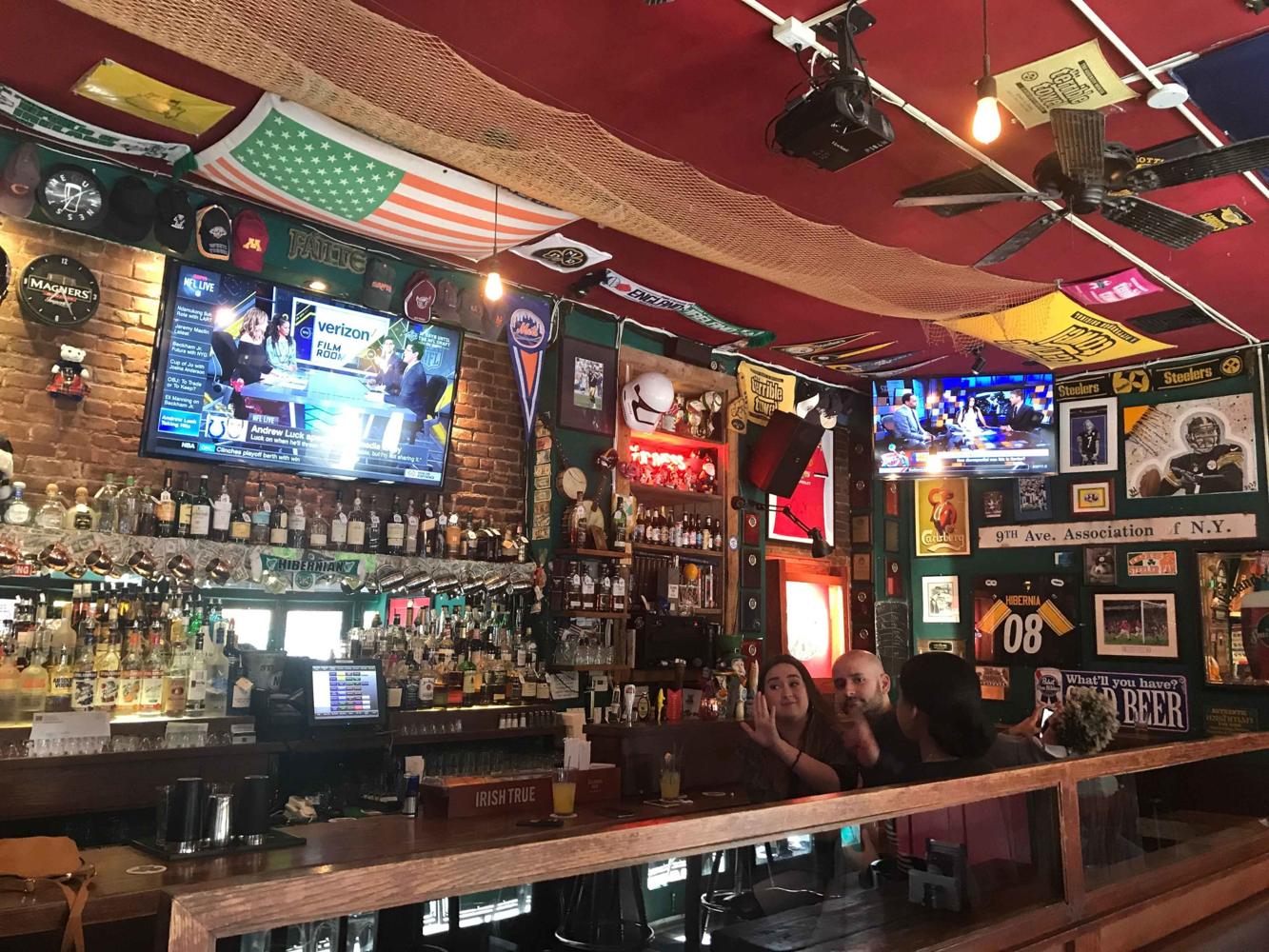
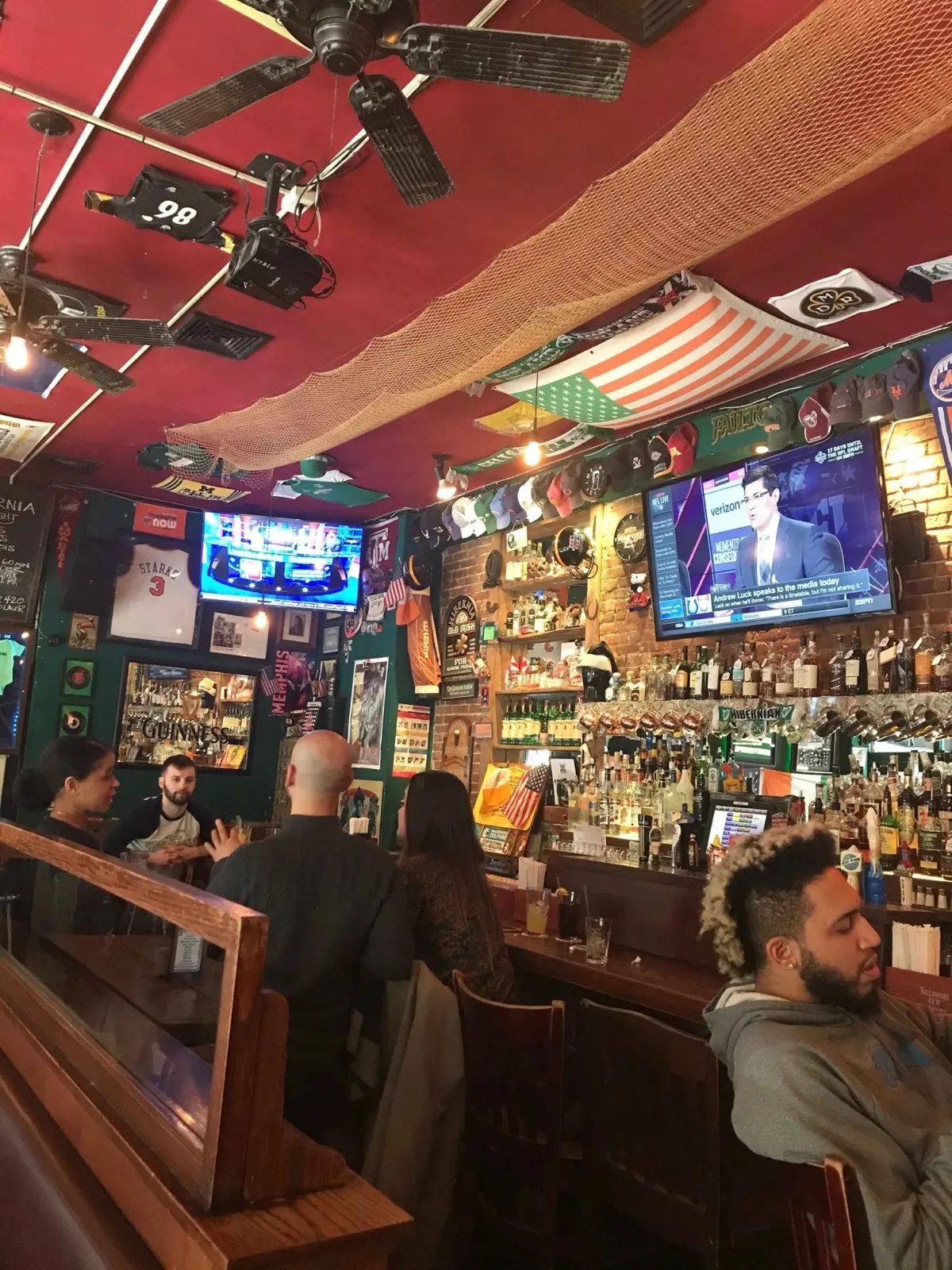
Pubs and neighborhood bars are where many of the best nights begin, even for people who imagine themselves too sophisticated for the category. A well-run neighborhood place gives you breathing room, a grounded start, and a way to take the city less seriously. Not every weekend needs to begin under a pressed-tin ceiling with a bespoke infusion menu.
Rooftops deserve caution. Some are wonderful, especially in shoulder seasons when the weather helps rather than overwhelms. But many are better for one drink than for an entire night. You pay for the view, and that can be worth it. Just be honest about the trade. Crowds, noise, weather shifts, and rushed service are common. For couples, rooftops often work best as an opening move. For friends, they are best when nobody minds spending more for ambiance.
Food changes everything
The line between a great night and a sloppy one is often food. This is less glamorous than discussing cocktail specs, but far more useful. The strongest weekend plans include either a bar with meaningful snacks or a food option within easy walking distance.
For couples, a bar with oysters, crudo, good fries, or a serious cheese plate can extend the evening in a way that feels elegant rather than practical. For friends, the ideal is simpler. You want something fast, satisfying, and close enough that nobody disappears into a delivery debate. Tacos, slices, dumplings, burgers, and late-night bodega runs remain undefeated because they solve the exact problem the night eventually presents.
One thing New York regulars learn quickly is that late-night food windows narrow earlier than visitors assume in some neighborhoods. Plenty of kitchens close before the bar does. If food matters, check before you arrive. Being surprised by a last call on the kitchen at 10:15 p.m. Is a preventable mistake.
How to budget without shrinking the experience
A Bar NYC weekend can get expensive fast, even for people who are prepared for New York prices. Cocktails in sought-after neighborhoods commonly land between about $18 and $26, wine by the glass often sits in the mid-teens or higher, and beer is not always the bargain people expect. Add tax, tip, transportation, and a late bite, and a casual night can drift well past budget.
That does not mean you need to chase cheap spots. It means you should choose where the splurge actually matters. Spend on one memorable room, one serious drink program, or one beautiful date-night setting. Then balance it with a more grounded first or last stop. Few people remember the fourth overpriced drink in a generic room. They remember the bar with the perfect corner seat, the bartender who read the mood correctly, or the place where the whole group stayed an hour longer than planned.
If you are out with friends, it helps to settle splitting expectations early. Some groups love opening a tab and sorting it later. Others become visibly tense by the second round. There is no universal best method, but there is a universal truth: financial ambiguity gets less charming as the night goes on.
A sample flow that actually works
The strongest New York evenings often look modest on paper. You meet in a neighborhood that is easy for most people to reach. The first bar is comfortable and not precious. The second is where the atmosphere sharpens. Then, instead of forcing a dramatic finale, you choose between staying put or ending with food and one final drink nearby.
For couples in the West Village, that might mean a first glass of wine in a quieter room, followed by a reservation at a classic cocktail bar where the service is polished and the lighting does half the work for you. If the chemistry of the night is strong, you finish with a dessert and a nightcap within a few blocks rather than chasing a rooftop across town.
For friends on the Lower East Side, it may begin with beers and snacks somewhere forgiving, then shift to a livelier cocktail spot once everyone has arrived. From there, the smart choice is usually to stay in the area, adding one more venue only if the group still has momentum. The best group nights end before logistics start to dominate.
A practical neighborhood pairing looks like this:
| Evening style | Best fit | Why it works | |---|---|---| | Date night with atmosphere | West Village or Nolita | Dense, polished, walkable | | Casual friends reunion | Lower East Side | Variety, flexibility, easier movement | | Stylish but relaxed Brooklyn night | Williamsburg | Space, strong bar programs, lower pressure | | One-drink splurge before dinner | SoHo or a hotel bar in Midtown | Convenience and visual impact | | Sunday wind-down | Brooklyn or downtown wine bars | Softer pace, better access, fewer waits |
Service, sound, and the details people forget
People often focus on decor and menus because those are easy to photograph and compare. In real use, service and sound matter more. A beautiful room with indifferent service can flatten a date quickly. A bar with excellent cocktails but punishing acoustics can make a group irritable within 20 minutes.
Good service in New York is not always warm in an obvious way. Sometimes it is brisk, observant, and highly competent. That can be perfect. The real markers are timing, honesty, and room awareness. A strong bartender steers you away from the weak item on the menu without making a speech. A strong host gives a realistic wait time. A strong server senses when a couple wants to linger and when a group wants the next round fast.
Sound is trickier because it changes by hour and crowd mix. If conversation matters, ask for a table away from the speakers, the service station, and the entrance. These are small choices that pay off immediately. Anyone who spends enough time in bars learns that the supposedly best table in the room is often not center stage. It is the one with stable acoustics and enough visual privacy to let people relax.
When to break the rules
Every useful guide needs one caveat. Some nights do justify a more ambitious plan. If you have out-of-town friends who Hibernia Bar Bar NYC want one distinctly New York experience, a grand hotel bar followed by a downtown cocktail room can be worth the travel. If you are celebrating something significant, a reservation at a destination spot is often the right call. If a rooftop is the dream, then by all means take the rooftop, just do it early and treat it as part of the evening, not the entire structure.
The point is not to strip away spontaneity. It is to spend it wisely. Save your energy for the parts of the night that gain from surprise, the extra round, the place someone spotted on the corner, the unplanned walk, the decision to stay because the room suddenly feels exactly right.
A successful Bar NYC weekend for friends and couples is less about finding the single best bar and more about reading the city honestly. Know your group. Know your neighborhood. Respect timing, budget, and mood. Then leave enough room for the night to become its own story, which is still the best reason to go out in New York at all.
Hibernia Bar
401 W 50th St
New York, NY 10019
(212) 969-9703
FAQ About Bar NYC
What is there to do in Hell's Kitchen, NYC?
Explore the restaurants and bars along Ninth Avenue, catch a Broadway show nearby, or visit the Intrepid Museum on the Hudson River. Hibernia Bar is at West 50th Street and Ninth Avenue, a convenient stop before or after a show.
What are some bars in New York City that serve good food?
Hibernia Bar in Hell's Kitchen serves wings, burgers, fish and chips, and shepherd's pie. Its kitchen lists a 2 a.m. closing time, which makes it an option for dinner after a show or a game.
How far is Hell's Kitchen from Times Square?
Hell's Kitchen is just west of Times Square. From Broadway and West 45th Street, Hibernia Bar is roughly 0.6 miles away, or about a 12-minute walk depending on crowds.